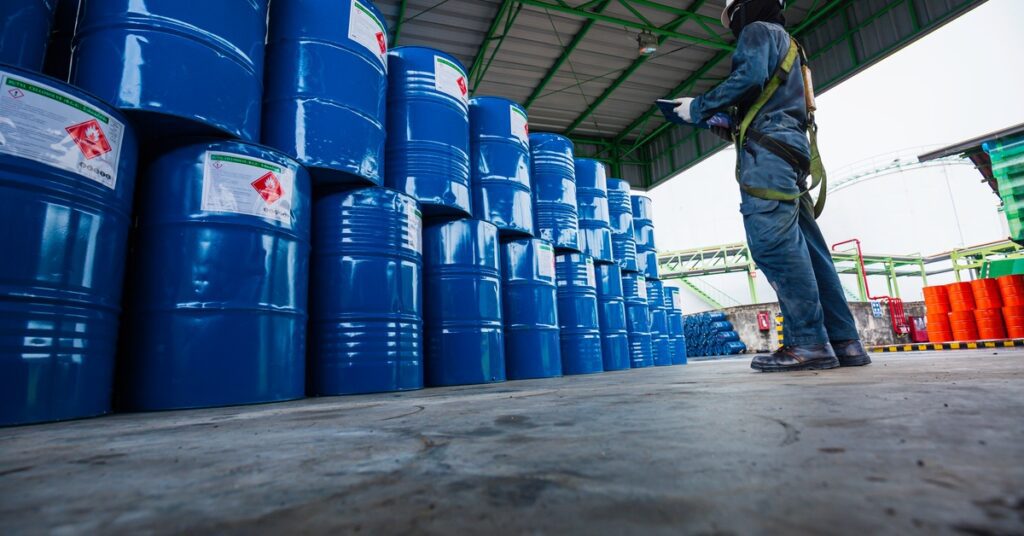
Managing waste materials effectively is crucial for businesses aiming to maintain environmental responsibility, regulatory compliance, and operational efficiency. Waste generated by businesses, whether industrial, commercial, or otherwise, can have lasting impacts on the environment if not addressed properly. By knowing what businesses must do when they create waste materials, companies can make a significant difference.
Understanding Waste Types and Their Impacts
The first step in managing waste is identifying the different types of materials your facility produces. Waste can range from hazardous substances, such as chemicals and electronic components, to non-hazardous items like paper or organic waste.
Certain materials, such as plastics and metals, can be recycled, while others may require specialized disposal methods to prevent environmental harm. Understanding the nature of the waste materials a business generates helps establish a clear strategy for managing them responsibly.
Compliance with Waste Management Regulations
Every business must comply with local, state, and federal waste management laws. Regulations often dictate how specific types of waste should be handled, stored, and disposed of.
For instance, hazardous waste materials must meet stringent requirements to ensure they do not harm human health or ecosystems. Regular audits and proper documentation also ensure a business remains compliant, avoiding hefty fines and legal repercussions.
Implementing the Reduce, Reuse, Recycle Model
Adopting the reduce, reuse, and recycle model is one of the most effective ways businesses can manage waste. First, businesses can look for ways to reduce waste generation by optimizing production processes or minimizing excess packaging.
Reusing materials within the company helps prolong the lifecycle of certain items, reducing the need for new resources. Finally, recycling ensures that materials such as paper, metal, and glass re-enter production cycles instead of ending up in landfills. These practices not only cut down on waste but also reduce operational costs over time.
Educating Employees About Sustainability
Creating awareness within the organization is key to effective waste management. Educating employees about their role in reducing waste and adhering to sustainability guidelines fosters a culture of accountability.
Training programs on sorting recyclables, conserving resources, and following proper disposal methods encourage sustainable habits across the workforce. If your facility isn’t capable of training employees or handling hazardous materials, then you may need to turn to professionals. There are many advantages to hiring professional hazmat cleanup crews, so don’t delay if your facility is in dire need of expert assistance.
Know Your Responsibilities and What You Can Do
Effectively managing waste materials is more than just an environmental obligation; it’s a comprehensive approach that strengthens regulatory compliance, boosts operational efficiency, and enhances company reputation. By understanding how to handle the hazardous waste your facility produces, you lay the groundwork for responsible handling and disposal. Ultimately, a well-rounded waste management strategy not only benefits the environment but also supports long-term business growth, resilience, and public trust.