Ensuring the safety of students and staff is a top priority for any educational institution. A comprehensive emergency plan is crucial, but having the right technology and resources makes all the difference when a crisis occurs. This guide explores the five top tools for campus emergency preparedness, providing a framework for creating a safer and more resilient campus environment. By integrating these essential tools, you can significantly enhance your institution’s ability to respond effectively to any situation.
Emergency Notification System
An emergency notification system is fundamental for disseminating critical information quickly and widely. During an emergency, seconds count, and this tool allows administrators to send instant alerts via text message, email, and voice calls to the entire campus community. This ensures that students, faculty, and staff receive timely warnings and instructions, regardless of their location. A robust system can also integrate with other platforms, such as a PA system for campus alerts, to maximize reach and ensure everyone remains informed.
Mobile Safety App
A dedicated mobile safety app empowers students and staff by putting a powerful safety tool directly in their hands. These apps often feature a one-touch emergency button for direct connection to campus security, location sharing with trusted contacts, and anonymous tip reporting for safety concerns. By making safety resources easily accessible on smartphones, these apps encourage proactive community involvement and provide a direct line of communication during an emergency.
Campus Security Cameras
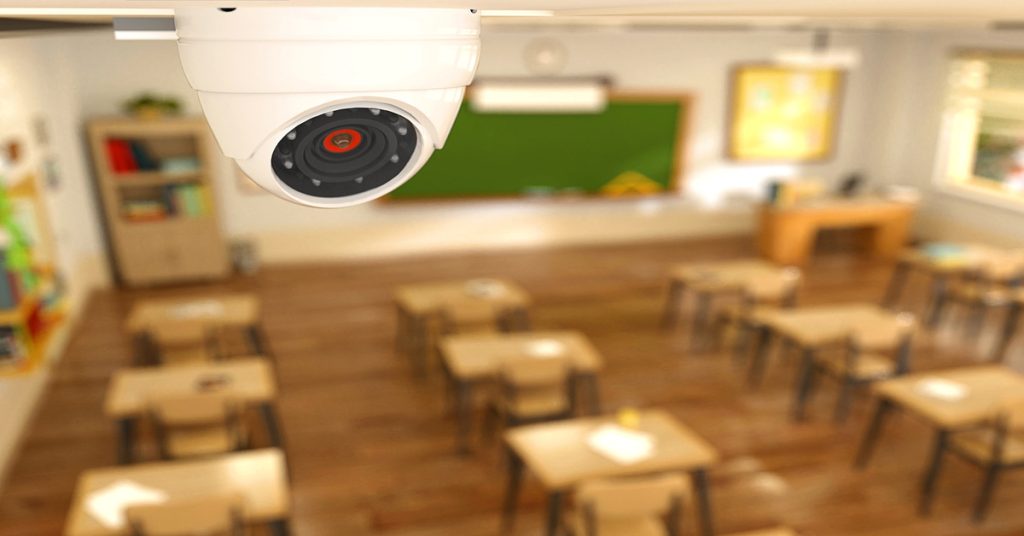
Strategically placed security cameras serve as a powerful deterrent and an invaluable investigative tool. Modern camera systems provide high-definition video and wide coverage across campus, monitoring key areas such as entrances, common spaces, and parking lots. In the event of an incident, video footage can provide clear evidence to help identify individuals and understand the sequence of events. Their visible presence alone can discourage potential threats and contribute to a greater sense of security on campus.
First Aid Kits
Immediate medical attention can be critical in an emergency, and having well-stocked first aid kits is a simple yet vital component of preparedness. You should place these kits in accessible locations across campus, including in classrooms, administrative buildings, and athletic facilities. Each kit should contain essential supplies for treating common injuries like cuts, sprains, and burns. Regularly checking and restocking these kits ensures they are ready for use when needed most, providing essential care until professional help arrives.
A Clear Communication Plan
Technology is only effective when supported by a clear and well-rehearsed communication plan. This plan should outline the specific roles and responsibilities for communicating during a crisis, establishing a clear chain of command. It should also detail the protocols for when and how to use different communication channels to ensure messages are consistent and clear. Regular drills and training help ensure that everyone understands their role, making the response more organized and effective.
By integrating these top tools for campus emergency preparedness, educational institutions can build a robust safety infrastructure that protects their community. Taking proactive steps to implement these resources is a critical investment in the well-being of every person on campus.