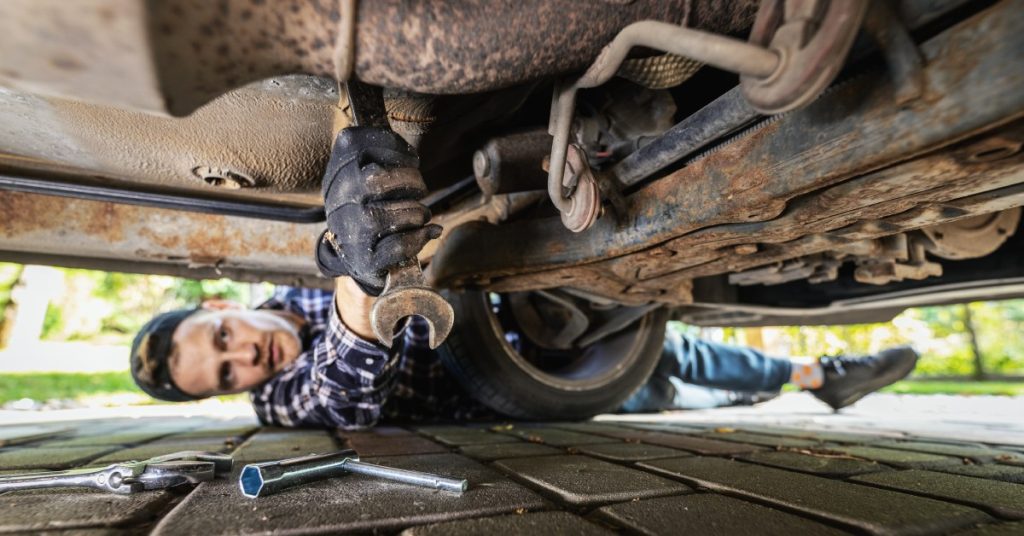
When you work on your car, you want to get the job done right. A successful repair goes beyond just torque specs and part numbers. It also involves a clean work environment. Contaminants like dirt, grime, and debris can cause major problems for sensitive vehicle systems. Get a closer look at how to avoid contamination during car repairs.
Preparing the Workspace
The first step is to create a clean workspace before you even touch a wrench. A dirty garage floor or workbench can introduce grit into your project. Sweep the area and wipe down surfaces. This small amount of preparation prevents dirt from accidentally falling into an open engine or transmission.
Keeping Tools and Hands Clean
Your tools and hands need attention, too. Greasy hands can transfer old fluids and metal shavings to new parts. Wash your hands thoroughly or wear a fresh pair of nitrile gloves. Also, wipe down your tools before and after each use to stop the spread of contaminants from one job to the next.
Handling Fluids the Right Way
When you work with fluids, cleanliness is critical. Coolant, brake fluid, and transmission fluid are all susceptible to contamination. A tiny piece of dirt in a brake line can compromise the entire system. Use a dedicated, clean funnel for each type of fluid to prevent cross-contamination. Never reuse a drain pan for new fluid unless you’ve cleaned it meticulously.
Protecting Internal Components
Many repairs require you to remove parts and expose delicate internal components. For example, a fuel injector swap opens up the fuel rail. Before you disconnect any lines or remove components, clean the surrounding area with a shop towel and a suitable cleaner. This action stops loose debris from dropping into places it doesn’t belong. Plus, contamination is one of the most common connector assembly errors that you should avoid, so cleanliness is key here.
Covering Openings During Repairs
Cover any exposed openings immediately. If you need to step away from a job, place a clean rag over an open intake manifold or stuff it into a disconnected coolant hose. This simple barrier protects the system from dust and anything else that might float by in the air. A little prevention saves a lot of future headaches.
Handling New Parts Safely
Your new parts deserve the same level of care. Keep them in their original packaging until the moment you are ready to install them. This protects them from workshop dust and accidental drops. It’s a small habit that maintains the integrity of the components you’re about to trust your vehicle with.
Building Good Habits for Cleaner Repairs
These tips on how to avoid contamination during car repairs might seem basic, but they are foundational to good mechanical work. A clean approach protects your vehicle’s complex systems from premature wear and failure. Integrate these clean habits into your next project and you’ll complete repairs with confidence and precision.