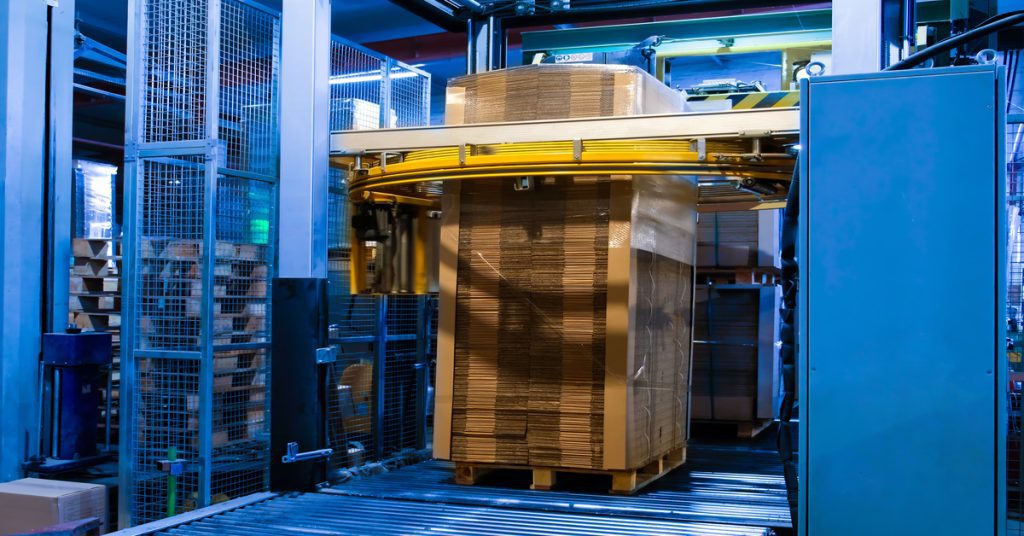
Every year, businesses lose millions of dollars due to product damage during transit. While accidents happen, improper packaging is a common culprit. This is where stretch wrapping becomes vital.
Stretch wrapping involves applying a highly stretchable plastic film around items on a pallet. In modern logistics and supply chain management, this simple yet effective tool helps products arrive at their destination safely and securely. Keep reading to understand why stretch wrapping is essential for securing pallet loads.
The Benefits of Stretch Wrapping
Stretch wrapping offers many advantages to distributors and transporters. From enhancing load stability to improving security and theft prevention, stretch wrapping is essential for securing pallet loads.
Enhanced Load Stability
The primary advantage of stretch wrapping lies in load stability. When a forklift moves a pallet or a truck hits a bump, loose items can shift, topple, and break. A tight layer of stretch wrap unitizes the load, transforming multiple boxes into a single, stable unit. This drastically reduces the risk of movement and subsequent damage during shipping.
Protection Against the Elements
Beyond stability, stretch wrapping provides robust protection against environmental factors. Warehouses and delivery trucks expose goods to dust, moisture, and debris. Stretch wrap acts as a shield, keeping products clean and dry. For goods stored outdoors, UV-resistant wraps prevent sun damage.
Improved Security and Theft Prevention
Security also improves with proper wrapping. A securely wrapped pallet makes pilferage difficult. Thieves cannot easily remove a box without cutting the film, which leaves obvious evidence of tampering. Opaque wraps further deter theft by concealing the nature of the valuable goods inside.
Cost-Effective Packaging
Finally, stretch wrapping remains one of the most cost-effective packaging solutions available. It requires less energy and material than strapping or shrink wrapping, making it a budget-friendly choice for businesses of all sizes.
How to Properly Stretch Wrap a Pallet
Achieving a secure load requires the correct technique. Thankfully, the dos and don’ts of stretch wrapping pallets are relatively straightforward. First, you must stack boxes tightly together without any overhang. Gaps or protruding edges can compromise the integrity of the wrap and lead to load failure.
Once the pallet is ready, the wrapping begins at the base. You attach the film to the pallet itself and apply at least three layers around the bottom to anchor the load. As you work your way up, overlap each layer by about 50 percent. This overlap plugs any coverage gaps.
Proper tension determines the success of the wrap. The film must be tight enough to hold the items but not so tight that it crushes the boxes. When you reach the top, apply extra layers to secure the upper boxes, then spiral back down to the bottom for added stability. Using handheld dispensers or automated machines significantly improves the speed and consistency of this process.
Optimize Your Packaging Strategy
Stretch wrapping serves as a critical component of successful supply chain management. It protects goods from damage, theft, and environmental factors while saving businesses money. By selecting the right type of wrap and employing proper techniques, you ensure your products arrive in pristine condition every time.