An efficient packaging process does more than just get orders out the door; it saves you money, reduces waste, and keeps your customers happy. If your current system involves wasted materials, bottlenecks, or frequent errors, it’s time for an overhaul. By streamlining your operations, you can improve productivity and boost your bottom line. Here are seven practical tips to help you refine your packaging workflow.
1. Evaluate Your Current Packaging Process
Before making any changes, you need a clear picture of what’s happening on your packing floor. Walk through your entire process, from picking items to sealing the final box. Look for bottlenecks where work piles up and identify any redundant steps that waste time. Documenting each stage helps you pinpoint specific areas for improvement and sets a baseline for measuring the success of future adjustments.
2. Invest in Automated Packaging Equipment
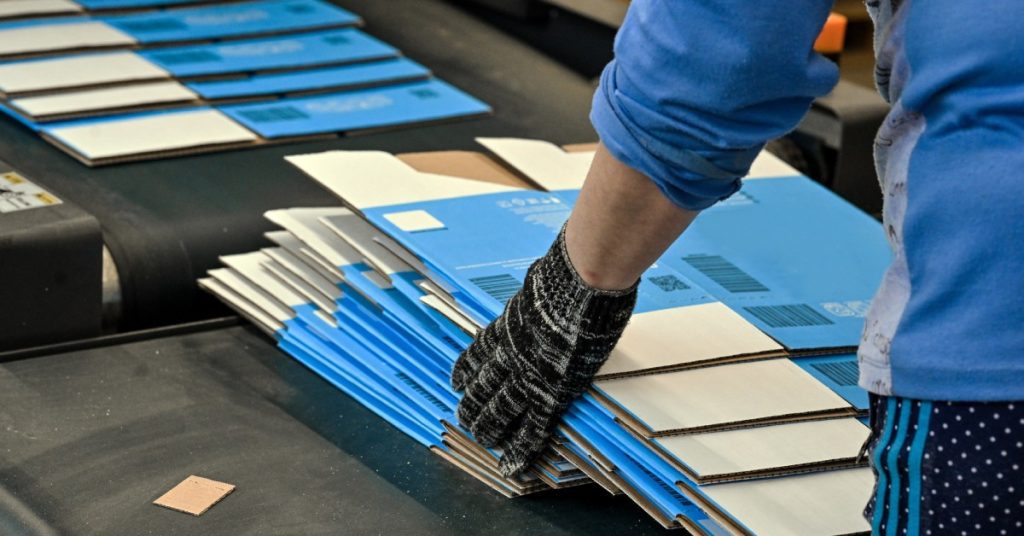
Manual labor can slow you down, especially as your order volume grows. Consider investing in automated packaging equipment to speed things up. Machines like case erectors, automatic sealers, and labeling systems can handle repetitive tasks much faster than a person can. This automation frees up your team to focus on more complex tasks that require a human touch, such as quality control.
3. Optimize Your Packaging Materials
Using the wrong size box or too much filler material adds unnecessary costs and weight to your shipments. Analyze your product line to determine the ideal box sizes you need. Standardizing your packaging materials helps you buy in bulk, which often lowers costs. It also speeds up the packing process, as employees will have fewer decisions to make.
4. Train Your Employees Effectively
A well-trained team is the backbone of an efficient operation. Provide your employees with clear, hands-on training for every step of the packaging process. When your staff understands the best practices for packing, sealing, and labeling, they will make fewer mistakes and work more efficiently. Consistent training also helps everyone stay on the same page, which is crucial when preparing for peak season shipping demands.
5. Monitor and Adjust Your Process Regularly
Your work doesn’t end once you’ve made improvements. Continuously monitor your packaging process to track its performance. Keep an eye on key metrics like packing speed, material usage, and error rates. Use this data to identify what’s working well and where new problems might be emerging. Regular adjustments will keep your operations running smoothly.
6. Focus on Sustainable Packaging Options
Customers increasingly prefer brands that prioritize sustainability. Switching to eco-friendly packaging can improve your brand image while also streamlining your process. Materials like recyclable fillers or right-sized boxes often reduce waste and can even lower your shipping costs by decreasing package weight. This move shows your customers you care about the planet and your operational efficiency.
7. Establish Quality Control Checks
A streamlined process is only effective if it produces high-quality results. Implement quality control checkpoints at critical stages of your packaging line. These checks confirm that items are packed correctly, securely, and with the right labeling. Catching errors before they leave your facility prevents costly returns and protects your brand’s reputation.
By applying these tips, you can create a more efficient and cost-effective packaging system. If you need help finding the right packaging supplies to get started, contact our experts today.