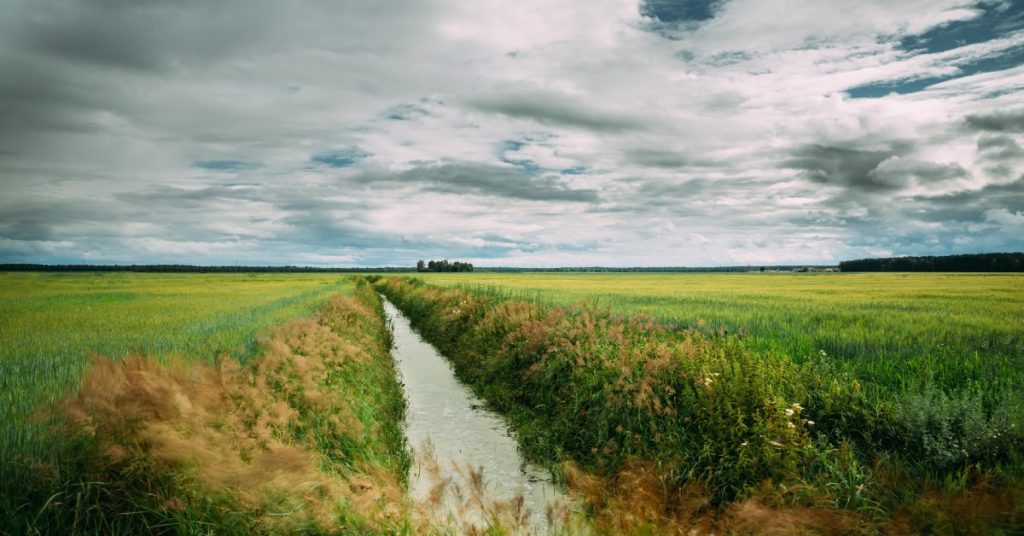
A drainage ditch serves as a silent guardian for your property, channeling excess water away from foundations and landscapes. However, without proper care, the force of moving water can strip away the soil, leading to significant erosion. This process not only destabilizes the ditch itself but can also undermine the integrity of nearby structures. Implementing strategic precautionary measures helps preserve your drainage ditch from erosion.
1. Deploy Erosion Control Blankets
For newly constructed ditches or those with bare soil, erosion control blankets offer an immediate defense. Manufacturers weave these mats from organic materials like straw, coconut fiber, or wood excelsior, which degrade over time, or from permanent synthetic materials. By staking these blankets directly onto the slopes and channel bottom, you shield the soil from the direct impact of rainfall and the shear stress of flowing water. These blankets also retain moisture, fostering a hospitable environment for seeds to germinate and establish a root system that will eventually take over the job of stabilization.
2. Fortify With Riprap
Riprap, a layer of large, angular stones, provides a robust solution for areas experiencing high-velocity water flow. The weight and interlocking nature of the rocks absorb and dissipate the energy of water, protecting the underlying soil from scouring. When installing riprap, you must place a filter fabric or a layer of gravel underneath the stones. This layer prevents the finer soil particles from washing away through the gaps in the rocks, which constitutes a common drainage ditch problem that undermines the stability of the barrier.
3. Establish Deep-Rooting Vegetation
Nature often provides the most effective engineering. Planting native grasses and deep-rooting vegetation along the ditch banks creates a living matrix that binds the soil together. The foliage slows down surface runoff, allowing sediment to settle rather than wash away. Select species that tolerate wet conditions and possess extensive root systems. Once established, these plants provide a self-sustaining, aesthetically pleasing erosion-control method that improves over time.
4. Conduct Regular Inspections and Maintenance
Vigilance remains the cornerstone of long-term stability. Inspect the drainage ditch seasonally and after every major storm event. Look for signs of undercutting, sediment buildup, or debris blockages that could alter water flow and concentrate erosive forces. Remove obstructions promptly to maintain smooth flow. Repair minor rills or bare spots immediately before they expand into significant gullies. Consistent maintenance extends the life of your erosion control measures and prevents costly repairs down the line.
Secure Your Property Today
Drainage ditch erosion demands proactive management rather than reactive repair. By layering these strategies—mechanical reinforcement with blankets or riprap, biological stabilization through vegetation, and consistent oversight—you create a resilient drainage system capable of weathering the storm. Assess your drainage ditch this week and implement these safeguards to protect your landscape for years to come.