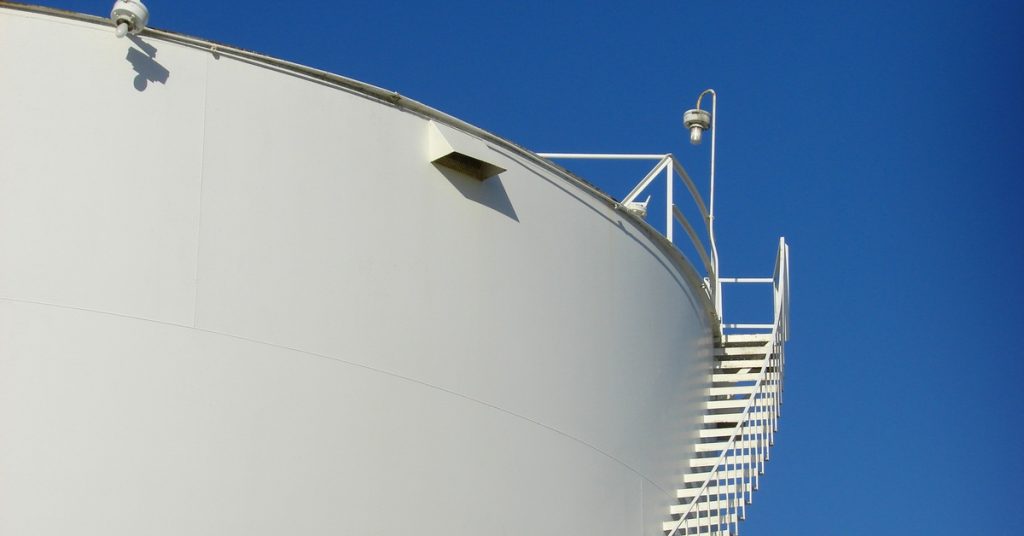
Industrial tanks are essential for storing everything from water to aggressive chemicals. Over time, these tanks can degrade. A tank liner, a protective layer installed inside a tank, acts as a barrier, safeguarding the tank’s structure and its contents. If you’re managing industrial storage, understanding the benefits of a tank liner can significantly improve your operations. Here are five key reasons why your industrial tank needs a liner.
1. Prevent Corrosion
One of the biggest threats to an industrial tank’s integrity is corrosion. When you store chemicals, corrosive substances, or even water, the tank’s interior surface is under constant attack. This chemical reaction can degrade the tank material, leading to weaknesses and eventual failure. A properly selected tank lining creates a durable barrier that shields the tank from these corrosive agents. By preventing direct contact, the liner stops corrosion before it starts, preserving the tank’s structural soundness.
2. Extend Tank Lifespan
Industrial tanks are a significant investment, and you want them to last as long as possible. A tank liner is one of the most effective ways to extend a tank’s service life. Liners protect against the daily wear and tear that comes from storing and cycling materials. They absorb much of the impact from abrasive contents and shield the tank from temperature fluctuations that can cause stress. By taking on this damage, the liner keeps the tank itself in better condition for longer.
3. Avoid Product Contamination
Maintaining the purity of stored products is critical, especially in industries like food and beverage, pharmaceuticals, and potable water storage. A deteriorating tank can leach rust or other harmful substances into its contents, contaminating them. A high-quality, non-porous tank liner provides a clean, inert surface that prevents this from happening. This protects the product from the tank and the tank from the product, maintaining quality and safety standards.
4. Save on Costs
While installing a tank liner has an upfront cost, it delivers substantial long-term savings. Repairing or replacing a corroded or damaged tank is expensive and leads to significant operational downtime. Tank linings help prevent leaks and catastrophic failures, avoiding costly cleanups and product loss. By extending the life of your existing assets and reducing the need for frequent, intensive maintenance, a tank liner is a smart financial decision that improves your bottom line.
5. Meet Regulatory Standards
Many industries must adhere to strict regulations for storing hazardous materials or potable water. These rules often mandate specific containment measures to protect the environment and public health. Installing a certified tank liner helps your facility meet these compliance standards. It provides a reliable secondary containment system, demonstrating that you are taking the necessary steps to operate safely and responsibly.
Protect your investment and streamline your operations by installing a quality tank liner. Contact an expert to find the right lining solution for your industrial tank today.